SAN ANTONIO — Following the chaotic wave of false-positive radar alerts and the coordinated cyber intrusions targeting national infrastructure, federal security agencies have launched kinetic operations against the shadowy group behind the chaos.
Intelligence officials have not yet assigned a formal public moniker to the organization, treating them strictly as an unidentified asymmetric threat cell while the investigation continues. The first major breakthrough in the manhunt occurred within the state of Tejas, resulting in a high-risk special forces raid on a suspected signal-relay hub.
Tracing the Signal
For three days, military intelligence analysts sifted through the anomalous data bursts recovered from the Pentagon cyber-incursion. While initial digital footprints looped through dozens of foreign proxy servers, a counter-intelligence unit isolated a localized, low-frequency carrier wave bleeding through regional telecommunications grids.
The signal led investigators to an unassuming, fortified agricultural equipment warehouse situated in a remote industrial pocket outside San Antonio.
According to military briefs, the compound functioned as an automated signal relay station. It was fitted with heavy power-shielding and independent satellite uplinks designed to mask directional high-frequency transmissions without drawing local power grid suspicion.

The Raid on the Tejas Compound
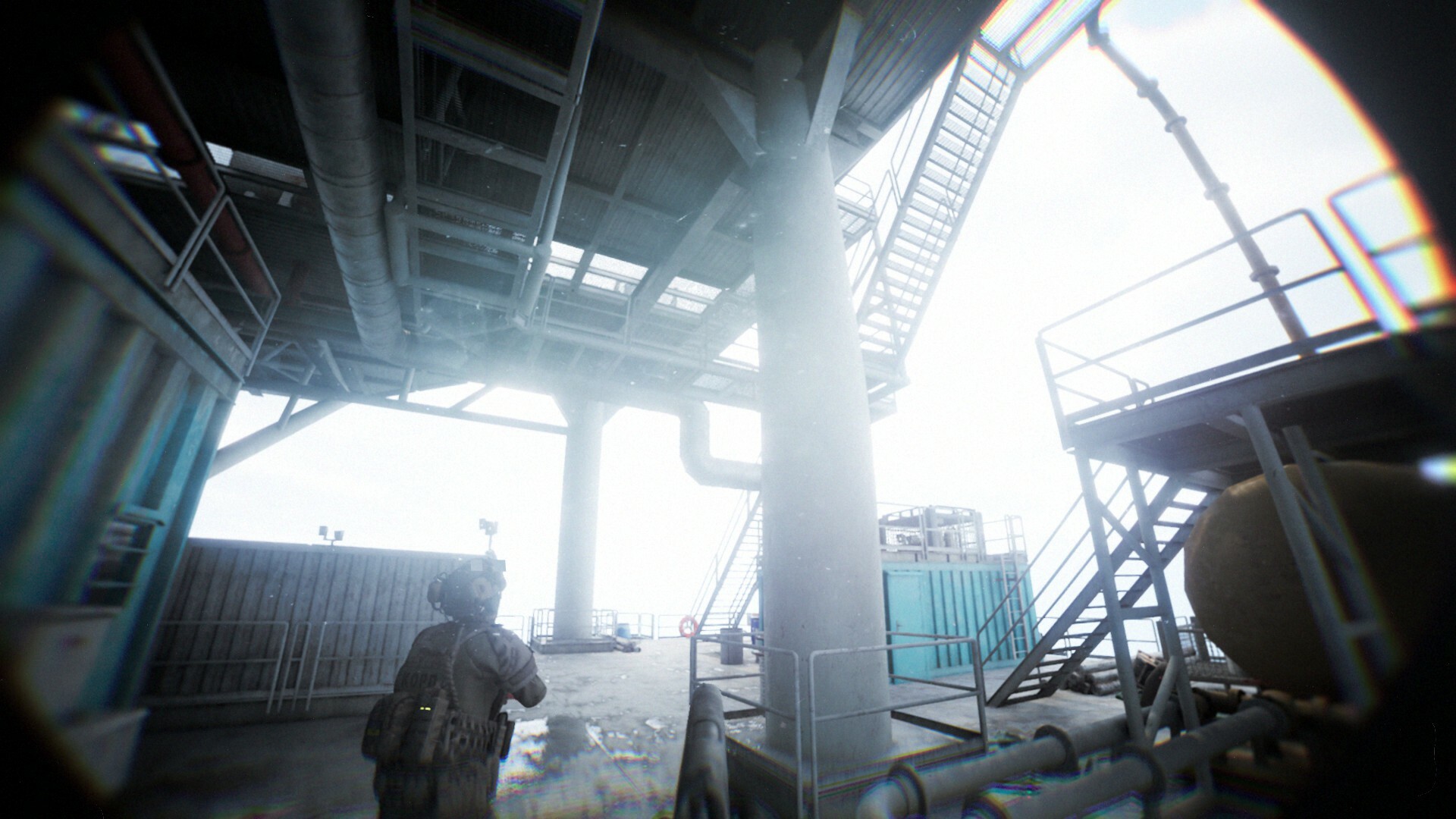
Under the cover of pre-dawn darkness, operators from the Thessaran Strategic Response Command (TSRC) executed a synchronized breach of the facility.
The assault relied on strict electronic silence to bypass the compound’s perimeter sensors before automated self-destruct scripts could be triggered. Heavy breaching charges blew the reinforced steel doors off the subterranean access level, allowing tactical teams to flood the primary server room within seconds.
Inside, operators found a makeshift command hub lined with quantum-encryption hardware, signal generators, and rows of cooling racks still humming at maximum capacity.
Cold Consoles and Empty Rooms
Despite the precision of the assault, the target was effectively abandoned.
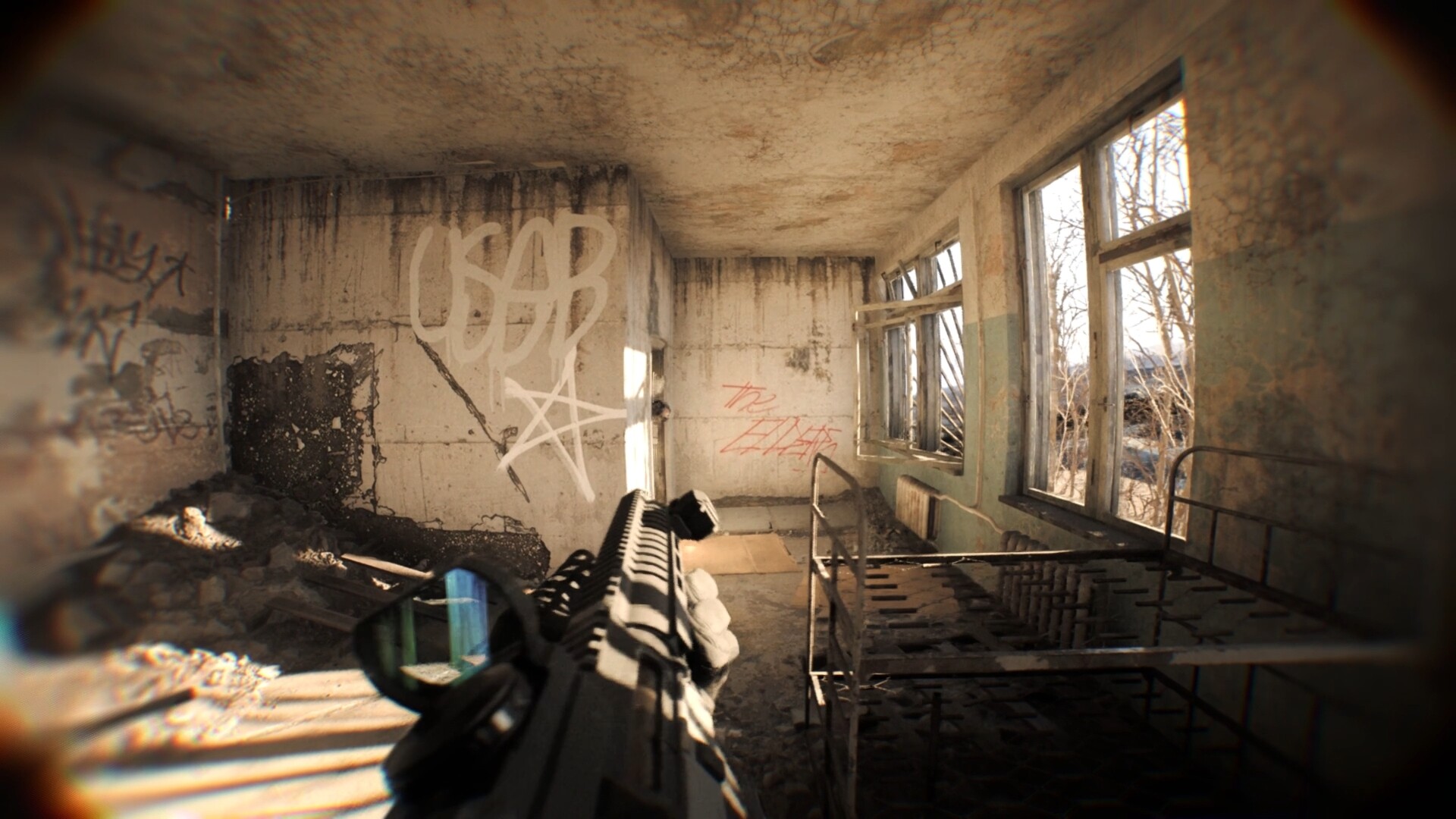
Preliminary logs indicate the occupants fled mere minutes before the TSRC operators breached the perimeter. Coffee cups remained warm on control desks, and primary cooling systems were running wide open.
The hasty retreat, however, left behind vital physical and digital forensic material:
Hardware Recovery: Several modular data units and specialized signal decoders were seized before automated wipe protocols could fully purge the drives.
Encrypted Archives: Initial cyber-forensics indicate the hardware contains logs pointing toward auxiliary relay nodes scattered across multiple regions.
Non-Standard Gear: Technicians recovered communication hardware utilizing proprietary encryption formats unrecognized by standard military databases.
Next Steps
Federal officials briefed the Liberty House on the operation, emphasizing that while the raid dealt a tactical blow to the cell’s domestic footprint, the core leadership remains completely unknown.
Cyber-specialists are currently examining the seized Tejas hardware at a secure facility in Thessarapolis. Security levels across national infrastructure remain at maximum readiness as the manhunt expands outward.