
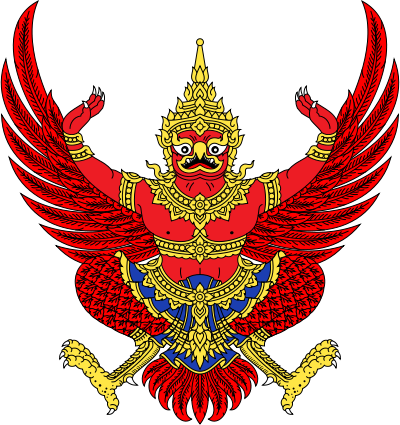
Naming:
-Title: Kingdom of Javnia
-General: Javnia
-Common: The “KOJ”
-Nation Code: KOJ
-Internet Code: .kj
Motto: dịch libre o morir
National Anthem: Phleng chuyện Quê Hương “Stories of the Homeland”
Capital city: Metharom, Zahmeel, KOJ
Largest City: Somchai, Mishfar, KOJ
Official Language: Indonesian, Malay, Javanese, Tagalog (Filipino), Cebuano, and English
Population: ~105,000,000 current
Personal Freedoms: Good
Scandals: Common
Ethnic Groups:
White: 4%
Multiracial: 6%
Black: 0.6%
Asian: 89%
Aborigine: 0.4%
Population
Urban: 78%
Rural: 22%
Literacy Rate: 82%
Gender Ratio: 0.97 male(s) per female
Fertility Rate: 4.4 children per family
Life Expectancy: 74 years
Culture
Highly Values: Courage
Known For: Tropical Paradise, Ancient Temples and the Komodo dragon
Popular Entertainment: Theater
Respected Profession: Healthcare professionals, Engineers and Educators
Discrimination: Asian-Thessara (American), Gender based
Major Taboo: Public Displays of Affection
Major Social Ill: Crime
Religions: Buddhism (94%), Islam (4%), Christianity (2%)
National holidays: New year’s Day 1 January, Armed Forces Day 18 January, Magha Puja (Full Moon) February, 6 April Memorial Day, Songkran (Traditional New Year) 13-15 April, Coronation Day 5 May, Farmer’s Day May, Vesak (Birth and passing of Buddha) May, Asahala Puja (Buddhist discourse) July, Vassa (Buddhist Lent) July, Mother’s Day (Queen’s Day) 12 August, Constitution Day 10 December, New Years Eve 31 December
Government type: Capitalist Constitutional Monarchy
Strong Influence: Political factions
Popular Issue: Internal Security, Government Centralization, Fiscal Responsibility
Stability: Solid
Monarch: King Sunan Kamon IV
King Sunan Kamon IV was born on 5 December 2075. He received a strong Buddhist upbringing until his tenth birthday when he was taken to military school. He attended military school until his eighteenth birthday. He then was commissioned in the Army and served until his coronation on 5 May 2100.
Prime Minister: Anna Pinayungan
Assistant Minister: Isaac Simatupang
Minister of State: Sudomo Yuwono
Minister of Security: Tanojo Zihao
Minister of Finance**: Zebulun Daulay**
Minister of Environment: Bulan Tanuwidjaja
Minister of Human Services: Baroleh Shan
Minister of Infrastructure and Technology: Job Dasopang
Minister of the Senate: Tranggono Mingli
Minister of the House Representative: Ary Wahyu Darmadi
Minister of the Supreme Federal Court: Rebecca Sabab
Military
Strength: Regional Power
Focus: Air, Water
Main Unit: Coastal Patrol Boats
Soldiers: Volunteers
Main Use: National defense / Foreign Peacekeeping
Rank: Time in service
Technology Focus: Advancement of Human Life
Long Term Goal: Exploration and habitation of space and oceans.
Short Term Goals:
Expansion of Lunar Base
Mars colony
Acquiring key strategic space based assets
First Evidence of habitation: 1500 BCE
Administrative divisions (Provinces):
Bismarck, Faatih, Guinea, Kamaht, Marzoq, Mishfar, Papua, Sabah, Sidhqi, Solomon, Taufan, Wisaam, Zabeth, Zahmeel, and Zaieef
Major cities:
Begawan, Dili, Manila, Metharom, Singapore and Somchai
Economy: Social Market Capitalism
Currency: Baht
GDP per Capita: 13,000 Baht
GDP: 1.365 Trillion Baht
| Category | % of Budget | Amount (Billion Baht) |
|---|
| Human Services | 35% | 477.75 |
| Infrastructure | 12.25% | 167.2 |
| Medical | 8.75% | 119.44 |
| Housing | 7.0% | 95.55 |
| Food Programs | 7.0% | 95.55 |
| Defense | 10% | 136.5 |
| Discretionary Programs | 10% | 136.5 |
| Space Program | 10% | 136.5 |
| Total | 100% | 1.365 Tril |
Trading Partners: People’s Republic of Guangzhou, Rilicon, Novara, Nordstjerne, Dagestani Socialist State, Post-Collapse Super Nation of Zvlokiquix
Exports:
Major: biodiesel, botanicals, coal, copper, fish, furniture, leather, nickel, palm oil, petrochemicals, pharmaceuticals, processed food, rice, rubber, tapioca, textiles and footwear, tin and tires
Minor: aircraft, auto parts, beverages, cocoa, coffee, electronics, home appliances, industrial and farm machinery, limestone, manganese, motor vehicles, refinery products and tropical timber
Imports:
chemicals, consumer goods, electronics, food stuff, glass, industrial supplies, luxury items, motor vehicles, plastics, steel and iron
Geography:
Wilderness: 60%
Wild Animals: Abundant
Natural Resources: Abundant
Incidence of mayat hidup: Common
Location: Earth, Eastern Hemisphere, Southeastern Asia
Area: ~ 4,000,000 km2
Bordering nations: Promothea to the south, People’s Republic of Guangzhou to the north, Post-Collapse Super Nation of Zvlokiquix Northeast, and Novara to the west.
Terrain: a geographically diverse region consisting of insular (island) areas, shaped by the convergence of major tectonic plates. This includes Sumatra, Java archipelago, Borneo, Philippines, Sulawesi, Papua, Bismarck, Santa Cruz, and Solomons. Sumatra is the world’s largest archipelagic state (over 17,000 islands). It lies strategically astride the sea passage between East Asia and the Middle Eastern–Mediterranean world. The landscape is characterized by three intermingled physical elements: mountain ranges, plains and plateaus, and water in the form of both shallow seas and extensive drainage systems. Located on the Pacific Ring of Fire, the region has high seismic activity and numerous active volcanoes.
Climate: The climate is mostly tropical, with warm temperatures year-round and high humidity. Seasonal monsoon winds dominate the climate, bringing heavy rainfall (May-September) and a drier season (October-April).
Highest Point: Puncak Jaya, rising to 4,884 meters (16,024 feet), is the highest mountain peak on an island on Earth and the highest peak in Javnia and Oceania. It is located on Papua. The mountain is also commonly included among the Seven Summits, the highest peaks on each continent. Susanto, is Javnia’s highest volcano at 3,805 meters (12,484 ft)
Natural Resources:
agriculture, aluminum, copper, fisheries, forestry, iron, livestock, limestone, manganese, natural gas, nickel, nitrates, oil, rubber, steel, tin
Environmental Hazards and Issues:
agricultural runoff, air and water pollution, avalanches, deforestation, drought, earthquakes, erosion, floods, forest fires, insect swarms, invasive species, landslides, severe thunderstorms, tsunami, typhoon, volcanoes
Current environmental agreements: None